A personal view of Australian and International Politics

Contemporary politics,local and international current affairs, science, music and extracts from the Queensland Newspaper "THE WORKER" documenting the proud history of the Labour Movement. MAHATMA GANDHI ~ Truth never damages a cause that is just.

Tuesday, 13 February 2018

'A national disgrace': Australia's extinction crisis is unfolding in plain sight

Extract from The Guardian
Endangered species
Our wide brown land

More than 1,800 plant and animal species and ecological communities are at risk of extinction right now
• Interactive: Wombats, sharks, possums, frogs: Australia’s animals at risk of extinction
Lisa Cox
Tue 13 Feb 2018 04.00 AEDT

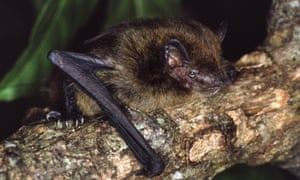
The Christmas Island pipistrelle, pictured, is now extinct.
‘As a society, we should be caring more for our nature, and we’re not,’ says Prof John Woinarski. The Christmas Island pipistrelle, pictured, is now extinct. Photograph: Lindy Lumsden

Global warming wiped out the Bramble Cay melomys – the first mammalian extinction in the world to be caused by climate change – but a straightforward plan that could have rescued the little rodent was thwarted by red tape and political indifference.
“It could have been saved. That’s the most important part,” says John Woinarski, a professor of conservation biology who was on the threatened species scientific committee that approved a 2008 national recovery plan for the species, endemic to a tiny island in the Torres Strait.

"Extinction is entirely avoidable. We can turn the trend around but it needs meaningful government intervention"
James Trezise, ACF policy analyst
The fate of the melomys is symptomatic of the failures in Australia’s management of threatened species, which has seen the country lose more than 50 animal and 60 plant species in the past 200 years and record the highest rate of mammalian extinction in the world over that period.
The mammal at the centre of this story was an uncharismatic rodent in a remote part of the country. The key factor for the species’ extinction was almost certainly ocean inundation of the low-lying cay, but recovery efforts were insufficient and hampered by disagreement within government agencies over approaches – in this case captive breeding. And while it was clear urgent action should be taken – and that action was likely to be successful, straightforward and inexpensive – the plan was implemented too late. While the researchers hypothesised the melomys or a close relative might occur in Papua New Guinea, Australia’s only mammal endemic to the Great Barrier Reef has been listed as extinct.
In the past decade alone, the country has lost two mammal species – the Christmas Island pipistrelle as well as the Bramble Cay melomys – and one reptile, the Christmas Island forest skink.
More than 1,800 plant and animal species and ecological communities (woodlands, forests and wetlands are examples of ecological communities) are currently at risk of extinction, a number that is increasing but which is also likely to be an underestimate of how many are truly vulnerable.
“We should have learnt the lessons,” Woinarski says of Australia’s failure to arrest its rate of species decline.
“As a society, we should be caring more for our nature, and we’re not. The legal protections we’ve got and the funding mechanisms are simply insufficient, as is the extent to which we care.”
There is another feature of the Bramble Cay melomys that is typical of many species in peril across the country.
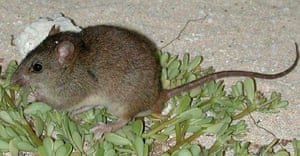
“It could have been saved. That’s the most important part,” says Prof Woinarski of the Bramble cay melomys which was declared extinct in 2016 due to climate change.
‘It could have been saved. That’s the most important part,’ says Woinarski of the Bramble Cay melomys, declared extinct in 2016 due to climate change. Photograph: Ian Bell

It is likely most Australians were not even aware of the animal’s existence.
For scientists, conservationists, researchers and those in the broader environment community, the challenge of securing stronger protection and more funding for Australia’s threatened flora and fauna is made tougher by the fact that much of the population does not realise that the wildlife the country prides itself on is in trouble.
The federal government’s most recent State of the Environment report concluded that Australia’s biodiversity had declined further since 2011 and new approaches were needed to address this downward trajectory for many species.

"We need to connect Australians with their wildlife again"
Darren Grover, head of living ecosystems for WWF Australia
The same report found there had been no decrease in the main pressures faced by native plants and animals, namely habitat loss and degradation, climate change, land use practices and invasive plant and animal species.
Guardian Australia interviewed scientists, researchers, conservationists and policy analysts whose work across threatened species research and protection spans decades.
They described the situation confronting Australia’s threatened plants and animals as a “national disgrace” and the systems that are supposed to protect them as “broken”.
Interviews were requested with both federal environment and energy minister Josh Frydenberg and the government’s new threatened species commissioner, Dr Sally Box, and both were declined.
Euan Ritchie, an associate professor in wildlife ecology and conservation at Deakin University, says the plight of Australia’s threatened species is an “environmental crisis”, with more and more species edging closer to extinction “despite our capacity to prevent such a tragedy from occurring”.
“What’s occurring is akin to allowing the art of Namitjira, Olley, Preston, Nolan, Whiteley and others to disappear from our most treasured museums, through neglect, and much of society being unaware or responding with a collective shrug of shoulders,” he says.
James Trezise, policy analyst at the Australian Conservation Foundation, says Australia has an extinction crisis and governments are failing to implement the reforms and investment necessary to turn the situation around.
“Extinction is entirely avoidable. We can turn the trend around but it needs meaningful government intervention. From a conservation standpoint we know what needs to happen, but it seems there isn’t the political will to get us there,” he says.
According to the Department of Environment and Energy, Australia is home to more than one million species and 85%of the country’s flora, 84% of its mammals, 45% of its birds and 89% of inshore, temperate-zone fish are found nowhere else on earth.
The conservation community says Australia has an obligation to protect these unique species but, despite this, the country is having trouble reversing the trends of the past 150 years. Among mammals alone, Australia is losing one to two species per decade.
By comparison, the continental United States, whose Endangered Species Act imposes tougher enforcement of threatened species protection and recovery, has lost only one mammal species since colonisation – the sea mink.
The experts who spoke to Guardian point to a range of complex and intertwined issues affecting the decline of threatened species in Australia, which have occurred under governments on both sides of the political aisle over many years and will be explored throughout the series.
Among them are: massive rates of land clearing, urbanisation, weakening of protections under the EPBC Act, cuts to environment budgets, poor monitoring of species, poor coordination between federal and state governments, a lack of legislation compelling governments to actually fund recovery actions for listed species once they’ve been identified, and a lack of accountability measures to ensure actions that are being taken are working or assess what processes have failed when a species goes extinct.

"I think the whole system is completely broken"
Prof Lesley Hughes, Macquarie University
“I think the whole system is completely broken,” says Prof Lesley Hughes from the department of biological sciences at Macquarie University.
“The fact that our threatened species lists continue to grow and very few if any species have ever come off those lists due to conservation action is evidence that what is being done thus far is not effective.”
Humane Society International Australia participates in an annual federal nomination process to list new threatened species as either vulnerable, endangered or critically endangered under the EPBC Act.
For an animal, plant or ecological community to qualify for assessment by the government’s Threatened Species Scientific Committee, it must first make a priority list that is drafted by the committee and signed off by the minister.
The HSI Australia head of campaigns, Nicola Beynon, says this process of requiring a priority listing from the government before the final scientific assessment stage could enable “politically difficult nominations to be de-prioritised.”
“The priority list is necessitated by a lack of resources; it sees threatened species drip-fed for protection rather than a concerted effort into ensuring that everything that deserves protections is receiving it,” she says.
“There’s so many little things in the system that all add up to failure.”
In the past, species listed as vulnerable, endangered or critically endangered under the EPBC Act required the drafting of what is known as a recovery plan for their management.
But changes to the Act in 2006 made the making of recovery plans optional and at the discretion of the minister. The changes also introduced an alternative document known as a conservation advice, which a minister only has to consider – as opposed to being bound to specific actions or protections for a species – when making approvals under the EPBC Act.
This was seen in 2015 when approval of Adani’s Carmichael coalmine in Queensland was overturned because the then environment minister Greg Hunt failed to consider the conservation advices for the yakka skink and ornamental snake.
The mine was re-approved two months later after the minister went back and considered the advice for both species and signed off on the development.
Dr Bruce Lindsay, a lawyer with Environmental Justice Australia, says “part of the issue we’ve got is the environment laws within the EPBC Act have really become more about facilitating development than protecting threatened species.”
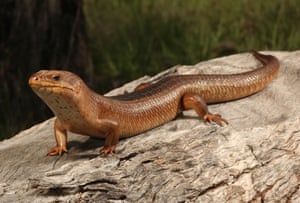
The Yakka skink is a threatened species
 Adani’s approval was overturned in 2015 because Greg Hunt failed to consider conservation advices for the yakka skink, pictured, and ornamental snake. Photograph: Shawn Scott

“It’s about development with conditions. The purpose of the laws is not really about arresting and reversing the decline of threatened species,” he says.
Since the Coalition took power in 2013, it has taken steps to invest in the eradication of predators such as feral cats and has established a threatened species commissioner to raise the profile of threatened species. Its threatened species prospectus includes commitments to improve the trajectories of 20 mammals, 20 birds and 30 plants by 2020, but this is a small portion of the mammals, birds, reptiles, fish, plants and other species that have threatened species listings, and the process by which the mammals and birds were selected has been a source of conjecture.
“With 503 animal and 1,308 plant species listed as nationally threatened, there is a big task ahead,” Frydenberg has said.
“The Coalition government, however, is strongly committed to threatened species protection and recovery – that’s why we appointed Australia’s first threatened species commissioner. We also launched Australia’s first threatened species strategy and have mobilised $255m for more than 1,200 projects with threatened species outcomes.”
But scientists say these measures will be insufficient as long as factors such as vegetation destruction remain unaddressed and that Australia is flying in the dark on a whole range of other management and monitoring concerns for threatened species.
“Habitat loss and modification remains the elephant in the room in terms of the total number of threatened species it affects, and because the loss of vegetation can compound other serious threats, for example by making it easier for feral cats and foxes to find and kill native animals” Prof Ritchie says.
In a recent paper on Australia’s three known vertebrate extinctions of the past decade, Woinarski and fellow scientists Stephen Garnett, Sarah Legge and David Lindenmayer recommended Australian governments establish an inquest after any extinction to better understand the factors that led to it and to reduce the likelihood that they will occur again – similar to what coronial inquiries do in unexplained deaths of humans.
Darren Grover, head of living ecosystems for WWF Australia, says another part of the challenge is simply making Australians understand what is at stake.
He says the current plight of threatened species is made more difficult by the fact that many of the plants and animals under threat are species Australians “have never heard of, they’ve never been to where the animal lives and it doesn’t affect them in any way”.
“But what we will see starting to happen in the next couple of years, if we can’t turn things around, is that it will be things that people know,” he says.

“We need to connect Australians with their wildlife again.” 
Posted by The Worker at 5:30:00 am
Email ThisBlogThis!Share to XShare to FacebookShare to Pinterest

No comments:

Post a Comment

Newer Post Older Post Home
Subscribe to: Post Comments (Atom)

About Me

My photo
The Worker
I was inspired to start this when I discovered old editions of "The Worker". "The Worker" was first published in March 1890, it was the Journal of the Associated Workers of Queensland. It was a Political Newspaper for the Labour Movement. The first Editor was William "Billy" Lane who strongly supported the iconic Shearers' Strike in 1891. He planted the seed of New Unionism in Queensland with the motto “that men should organise for the good they can do and not the benefits they hope to obtain,” he also started a Socialist colony in Paraguay. Because of the right-wing bias in some sections of the Australian media, I feel compelled to counter their negative and one-sided version of events. The disgraceful conduct of the Murdoch owned Newspapers in the 2013 Federal Election towards the Labor Party shows how unrepresentative some of the Australian media has become.
View my complete profile

Translate

Search This Blog

Popular Posts

  • Trump wants Venezuela's airspace closed — but international law stands in the way.
    Extract from  ABC News By Elissa Steedman with wires  Topic: World Politics 17 hours ago President Donald Trump said Venezuela's airspa...
  • The first Australian-made car, the Holden 48-215, was introduced to the world on this day.
    Extract from  ABC News By Tim Callanan Today in History Topic: Automotive Industry 1 hours ago One of the surviving Holden 48-215s. (Supplie...
  • Australia's emissions have dropped, but we've got our work cut out to reach targets.
    Extract from  ABC News By climate reporter Jo Lauder Topic: Energy Policy 23 hours ago "Net zero" has become a political slogan, b...
  • Australia to provide Ukraine with $95m funding boost.
    Extract from  ABC News By defence and national security correspondent Olivia Caisley Topic: War 7 hours ago The additional funding for Ukrai...
  • England's Ashes demolition job of Australia in Brisbane's first ever cricket Test match at the Ekka.
     Extract from  ABC News By Simon Smale Topic: Sport 2 hours ago England completed destroyed Australia in the first ever Ashes Test in Brisba...
  • Trump says airspace above and surrounding Venezuela to be closed in its entirety.
    Extract from  ABC News Topic: World Politics 5 hours ago Donald Trump said "Airlines, Pilots, Drug Dealers, and Human Traffickers"...
  • Photographer Lyn Alcock captures wild antics of Dryandra's numbat population over 20 years.
    Extract from  ABC News By Asha Couch and Andrew Collins ABC Great Southern Topic: Animals 17 hours ago Lyn Alcock has recorded photographs ...
  • Ukraine hits two Russian 'shadow fleet' oil tankers with naval drones in the Black Sea.
    Extract from  ABC News Topic: Unrest, Conflict and War 11 hours ago Naval drones could be seen speeding towards hulking tankers followed by ...
  • Big haul of 170yo Indigenous artefacts unearthed in North West Queensland.
     Extract from  ABC News By Abbey Halter By Maddie Nixon ABC North West Qld Topic: Cultural Artefacts 19m ago 19 minutes ago Yinika Perston i...
  • Lebanese hopeful Pope Leo will bring peace as he visits the country.
    Extract from  ABC News By Middle East correspondent Eric Tlozek and Chérine Yazbeck in Lebanon Topic: Religion 1 hours ago Billboards welc...

Favourite Links

  • Australian Council of Trade Unions
  • Australian Labor Party
  • Queensland Council of Unions
  • ALP Queensland
  • Whitlam Institute
  • Chifley Research Centre
  • John Curtin Prime Ministerial Library
  • The Australia Institute
  • Tim Flannery ~ Australian Climate Council
  • Dr. James E. Hansen explains Climate Change
  • David Suzuki Foundation
  • The Environment Time capsule
  • Solar Citizen
  • Cape Grim Greenhouse Gas Data
  • The Jane Goodall Institute Australia
  • RenewEconomy
  • Basic income Earth Network
  • Skeptical Science
  • Lucinda's Song and Dance

Blog Archive

  • ►  2025 (1074)
    • ►  December (36)
    • ►  November (104)
    • ►  October (111)
    • ►  September (150)
    • ►  August (125)
    • ►  July (106)
    • ►  June (101)
    • ►  May (78)
    • ►  April (66)
    • ►  March (77)
    • ►  February (59)
    • ►  January (61)
  • ►  2024 (921)
    • ►  December (60)
    • ►  November (69)
    • ►  October (79)
    • ►  September (64)
    • ►  August (45)
    • ►  July (74)
    • ►  June (72)
    • ►  May (80)
    • ►  April (68)
    • ►  March (110)
    • ►  February (101)
    • ►  January (99)
  • ►  2023 (877)
    • ►  December (101)
    • ►  November (82)
    • ►  October (70)
    • ►  September (91)
    • ►  August (56)
    • ►  July (90)
    • ►  June (55)
    • ►  May (60)
    • ►  April (55)
    • ►  March (84)
    • ►  February (72)
    • ►  January (61)
  • ►  2022 (1195)
    • ►  December (84)
    • ►  November (107)
    • ►  October (45)
    • ►  September (83)
    • ►  August (129)
    • ►  July (137)
    • ►  June (84)
    • ►  May (82)
    • ►  April (87)
    • ►  March (116)
    • ►  February (135)
    • ►  January (106)
  • ►  2021 (2138)
    • ►  December (101)
    • ►  November (286)
    • ►  October (236)
    • ►  September (150)
    • ►  August (116)
    • ►  July (168)
    • ►  June (171)
    • ►  May (161)
    • ►  April (138)
    • ►  March (220)
    • ►  February (221)
    • ►  January (170)
  • ►  2020 (1868)
    • ►  December (145)
    • ►  November (156)
    • ►  October (98)
    • ►  September (152)
    • ►  August (145)
    • ►  July (164)
    • ►  June (146)
    • ►  May (158)
    • ►  April (99)
    • ►  March (150)
    • ►  February (190)
    • ►  January (265)
  • ►  2019 (1888)
    • ►  December (207)
    • ►  November (216)
    • ►  October (202)
    • ►  September (193)
    • ►  August (151)
    • ►  July (151)
    • ►  June (87)
    • ►  May (120)
    • ►  April (166)
    • ►  March (156)
    • ►  February (122)
    • ►  January (117)
  • ▼  2018 (1793)
    • ►  December (207)
    • ►  November (193)
    • ►  October (212)
    • ►  September (195)
    • ►  August (162)
    • ►  July (189)
    • ►  June (175)
    • ►  May (139)
    • ►  April (33)
    • ►  March (126)
    • ▼  February (94)
      • Exposing The Inhumane Conditions Of Burkina Faso's...
      • Baby chimp born at Rockhampton Zoo offers hope to ...
      • All eyes are on Donald Trump as President promises...
      • Adani abandons March deadline to secure funding fo...
      • Adani abandons another funding deadline, prompting...
      • Calling citizen scientists: more data needed to pr...
      • Cost of living pushing Australian workers into hom...
      • Rockhampton Zoo’s chimp birth is something to cele...
      • 'Sloppy and careless': courts call out Trump blitz...
      • Labor's environment group wants party to make clea...
      • India Now: How Corrupt is India?
      • Emissions increases approved by regulator may wipe...
      • ABC removes corporate tax cut analysis after compl...
      • One person's trash is another's DIY 3D printer at ...
      • Solar boom: New schemes may help renters get solar...
      • It'd be wonderful if the claims made about carbon ...
      • Barnaby Joyce’s sex life dissected, but integrity ...
      • Thirteen Russians criminally charged with interfer...
      • Pubs in the country strive to adapt to our changin...
      • Have an unhealthy relationship with your phone? It...
      • Ovarian cancer may be passed down through dad's X ...
      • The photos that changed America: celebrating the w...
      • Australian weather forecasters say autumn will be ...
      • The Senate was right on the Murray-Darling proposa...
      • Don’t look to Trump for leadership after the Flori...
      • Four Australian mammals deemed under greater threa...
      • Dramatic decline in Borneo's orangutan population ...
      • Turnbull's sex ban has thrown petrol on a politica...
      • Centrelink forced to wipe or change one in six rob...
      • Queensland accepts court block on New Acland coalm...
      • Robots are the ultimate job stealers. Blame them, ...
      • There's no case for a corporate tax cut when one i...
      • Cyclone Gita: Tonga devastated by worst storm in 6...
      • Trump's infrastructure plan aims to sweep away 'in...
      • Recycling uncertainty fuels return to glass milk b...
      • Global sea level rise rate speeding up, 25 years o...
      • Lions maul 'poacher' to death in South Africa, lea...
      • Cyclone Gita: Tonga's Parliament flattened as cate...
      • Government considered prosecuting Adani over CEO's...
      • Liberals retreat from Barnaby barney as deputy PM'...
      • 'A national disgrace': Australia's extinction cris...
      • Majority of Australians want forced wage rise if c...
      • Heatwaves send temperatures soaring in many parts ...
      • Domestic workers inside Canberra embassies kept in...
      • These water dragons are 'evolving at a pace we can...
      • Labor fires back at Adani Australia CEO over forei...
      • Australia's solar power boom could almost double c...
      • Folding umbrella's 'flirtatious' history never for...
      • ABC now costs each Australian four cents a day – h...
      • Ants invading your house can be controlled with th...
      • Lucinda Sharpe on Woman's Sphere August 17, 1895.
      • Federal penalties against polluters at lowest leve...
      • Setback for Adani as Aurizon withdraws loan reques...
      • Has the ABC adopted a policy of dumbing down?' ABC...
      • Aurizon pulls pin on NAIF loan application for Gal...
      • Coalminers given approval to clear nearly 10% of e...
      • Brisbane embracing cinemas despite growth of onlin...
      • Reserve Bank governor rules out interest rate hike...
      • Climate change: Tourism is Australia's least prepa...
      • Noam Chomsky: American intellectual on the rise of...
      • Adani needs to prove Carmichael coal mine finance ...
      • The crackdown on the Eureka flag is another bid to...
      • How Tesla's big battery is bringing Australia’s ga...
      • Late-night hosts say the memo's 'true reason for b...
      • Ozone is missing from the atmosphere and scientist...
      • Brisbane's powerful link to Thomas Edison unearthe...
      • Yam Island homes destroyed as king tide raises cal...
      • Coalition warned welfare overhaul could worsen hom...
      • Here’s what Americans need to know about the UK’s ...
      • ALP right faction sees democratisation as 'threat ...
      • Ovarian cancer patients' tissue samples to be test...
      • Esmond Bradley-Martin, leading investigator of ivo...
      • Q&A: Should employers have the right to take 'stri...
      • James Hardie accused of using 'same old tricks' to...
      • Labor weighs Adani options as Canavan says Austral...
      • Paul Ryan deletes tweet that lauded $1.50 pay rise...
      • Adani coalmine won't get federal rail funding, Lib...
      • News Summary August 14, 1895.
      • Warnings as Trump administration hardens nuclear p...
      • Paying $430,000 for advice on Centrelink call cent...
      • Neighbours turn on each other as Cape Town waits f...
      • Land speed record-breaking motorcycle to return to...
      • Brisbane's last walk-in video store to close, leav...
      • Indigenous groups in Federal Court to extend injun...
      • Adani mine has Bill Shorten sceptical as he signal...
      • Late-night hosts call Trump's State of the Union a...
      • Robots will take our jobs. We’d better plan now, b...
      • Extract from The Guardian ...
      • Miners receive twice as much in tax credits as Aus...
      • Suspicions Adani altered lab report while appealin...
      • Polar bears find it hard to catch enough food, eve...
      • ASIO takes custody of secret cabinet documents, ob...
      • ASIO moves to secure classified cabinet files held...
      • Cameras, phones out in Australia to capture rare s...
    • ►  January (68)
  • ►  2017 (2094)
    • ►  December (70)
    • ►  November (97)
    • ►  October (109)
    • ►  September (123)
    • ►  August (161)
    • ►  July (217)
    • ►  June (201)
    • ►  May (223)
    • ►  April (170)
    • ►  March (243)
    • ►  February (302)
    • ►  January (178)
  • ►  2016 (1016)
    • ►  December (165)
    • ►  November (163)
    • ►  October (103)
    • ►  September (109)
    • ►  August (66)
    • ►  July (44)
    • ►  June (57)
    • ►  May (68)
    • ►  April (61)
    • ►  March (74)
    • ►  February (50)
    • ►  January (56)
  • ►  2015 (874)
    • ►  December (72)
    • ►  November (69)
    • ►  October (73)
    • ►  September (109)
    • ►  August (71)
    • ►  July (104)
    • ►  June (102)
    • ►  May (80)
    • ►  April (44)
    • ►  March (51)
    • ►  February (32)
    • ►  January (67)
  • ►  2014 (1022)
    • ►  December (65)
    • ►  November (88)
    • ►  October (104)
    • ►  September (90)
    • ►  August (73)
    • ►  July (60)
    • ►  June (87)
    • ►  May (120)
    • ►  April (77)
    • ►  March (128)
    • ►  February (67)
    • ►  January (63)
  • ►  2013 (730)
    • ►  December (50)
    • ►  November (70)
    • ►  October (51)
    • ►  September (48)
    • ►  August (52)
    • ►  July (83)
    • ►  June (116)
    • ►  May (91)
    • ►  April (44)
    • ►  March (36)
    • ►  February (45)
    • ►  January (44)
  • ►  2012 (137)
    • ►  December (20)
    • ►  November (32)
    • ►  October (43)
    • ►  September (24)
    • ►  August (18)
Simple theme. Powered by Blogger.